Phone:
+880 1778 678081
Physical address:
House-23 (B1, 1st Floor), Road-10, Sector-9, Uttara 1230 Dhaka, Bangladesh.
Phone:
+880 1778 678081
Physical address:
House-23 (B1, 1st Floor), Road-10, Sector-9, Uttara 1230 Dhaka, Bangladesh.

Once upon a time, there was a small business owner named Sarah, who had spent years pouring her heart into her work. Sarah’s business started as a dream, a passion project where she could combine her love for what she did with her commitment to exceptional customer service. But as her business grew, so did her responsibilities. She no longer had the luxury of managing everything on her own. And while she now had a capable team and more resources, Sarah worried that her original high standards for service might be slipping through the cracks.
One day, a long-time customer left a lukewarm review that stuck with her. It wasn’t terrible, but it wasn’t what she was used to seeing. “This used to be my go-to,” it read, “but the service isn’t what it once was.” The review felt like a wake-up call to Sarah. If her customers were sensing a change, she needed to be the first to recognize it—and, more importantly, to address it. That’s when she discovered the power of tracking service quality consistently and proactively. Through daily, weekly, and monthly tracking, she found a way to keep her finger on the pulse of her service quality, no matter how much her business grew.
To get things back on track, Sarah realized she needed a clear, repeatable way to assess the quality of service her team delivered every single day. She wasn’t interested in complex algorithms or hidden performance metrics. Instead, she focused on simple, human-centered questions like:
She introduced a “Daily Quality Snapshot” for her team, which involved a quick review of customer interactions, staff readiness, and minor issues that cropped up. The goal wasn’t to punish anyone for a slip-up but to catch and address small issues before they could snowball. The team filled out a brief checklist at the end of their shifts, recording any moments that didn’t meet the company’s standards and brainstorming quick adjustments.
This daily practice gave Sarah’s team a sense of pride in their work and an immediate sense of accountability. Each day they had the opportunity to reflect, adjust, and start fresh, which was incredibly empowering for them. And for Sarah, this daily attention to detail meant fewer surprises when she looked at the week as a whole.
After establishing daily tracking, Sarah added a weekly team meeting dedicated solely to discussing service quality. She noticed that when minor issues reoccurred throughout the week, it was usually an indication of a bigger problem. These meetings gave her team a safe space to bring up patterns they noticed, whether it was a recurring question from customers or a bottleneck during busy hours.
By reviewing these weekly patterns, Sarah could see the trends—both positive and negative—more clearly. For instance, she found that on Fridays, her team consistently felt rushed because of an influx of weekend customers. They discovered that minor adjustments, like altering the schedule slightly to increase staffing during those peak times, could make a significant difference. This weekly tracking also helped them recognize their victories: they noticed that their quick response to customer complaints, which they’d started tracking daily, had improved their weekly customer satisfaction scores.
Through weekly reviews, Sarah could make small tweaks to their procedures that kept the team energized and better prepared. It wasn’t about upending everything each week; it was about making sure they were moving in the right direction with small, manageable steps.
With daily and weekly tracking in place, Sarah wanted a way to look at the bigger picture. Each month, she sat down with her team to reflect on the trends they’d noticed and the adjustments they’d made. Monthly tracking wasn’t just about counting wins and losses; it was about understanding what worked over time and what didn’t.
During these monthly sessions, Sarah reviewed key metrics—like customer feedback scores, repeat customer rates, and employee engagement levels. She shared these results with her team, showing them the positive impact of their hard work. They celebrated their successes and discussed where they could improve.
Over time, Sarah noticed that the monthly tracking allowed her to plan for the future more effectively. She identified seasonal trends, like increased demand around the holidays or a drop in mid-summer. Armed with this knowledge, she was able to prepare for busier periods proactively, training her team or adjusting her services as needed.
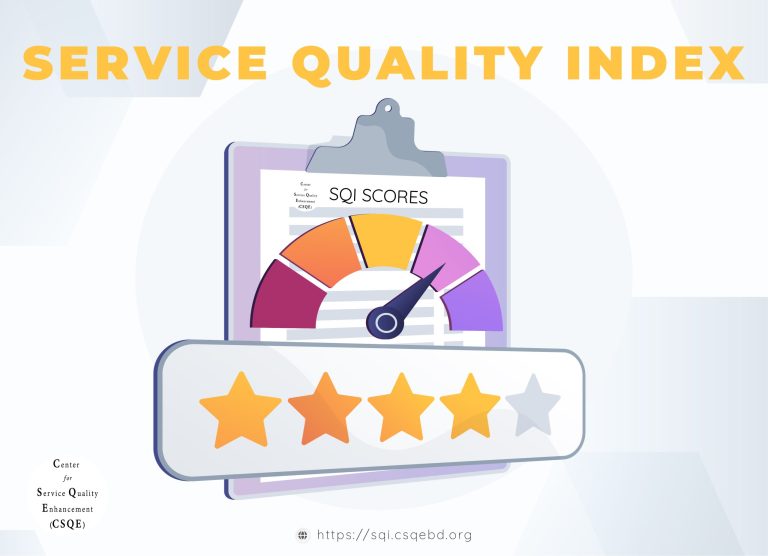
It wasn’t long before other business owners began asking Sarah how she was managing to maintain such a high level of service consistency. Sarah explained that her approach relied on her own version of a “Service Quality Index” (SQI)—a tailored blend of data and observations she and her team tracked daily, weekly, and monthly. By breaking down service quality into manageable parts, her team could focus on tangible improvements each day, week, and month.
Sarah’s SQI wasn’t a complicated or mysterious formula. It was built on genuine customer interactions and team feedback. But because she had a system, she could spot issues before they affected her customers’ experiences. The daily, weekly, and monthly tracking became part of her team’s culture, a shared commitment to improvement that felt natural, not forced.
The beauty of Sarah’s SQI was that it grew with her business. As her team expanded and her customer base grew, the principles remained the same. The SQI allowed her to stay connected to the heartbeat of her business, no matter how busy things got. And it wasn’t just about numbers; it was about building a culture of excellence that resonated with every person who walked through her door.
Today, Sarah’s business is thriving. She no longer fears that the quality of her service will be diluted as her business grows. Instead, she feels secure knowing that her team has a framework to assess and improve quality consistently. The SQI process has become their roadmap for continuous improvement, providing clarity and direction even in the busiest times.
Sarah’s story serves as a reminder for any business owner that quality service is never achieved by accident. It requires intentional, ongoing attention to the details, from the first interaction of the day to the last, from the weekly huddle to the monthly review. By tracking daily, weekly, and monthly, businesses can ensure that they don’t just meet customer expectations—they exceed them.
Would you like to start building your own SQI system to maintain a culture of quality and care in your business?